
Share this product :
Sodium Monochloroacetate
- Origin
- : India
- CAS Number
- : 3926-62-3
- HS Code
- : 29154000
Basic Info
- IUPAC Name
- : sodium 2-chloroacetate
- Molecular Formula
- : C2H2ClNaO2
- Molecular Weight (g/mol)
- : 116.4800
- Synonyms & Trade Names
- : Sodium monochloroacetate; SMCA; Chloroacetic acid sodium salt
- Purity / Assay (%)
- : 98% min
- Grade / Quality Level
- : Technical Grade
- Physical Form
- : Solid
- Concentration
- : Pure substance
- Appearance / Color
- : White to off-white solid
- Odor
- : Slight acetic
- Melting Point (°C)
- : 235.0000
- Density (g/cm³)
- : 1.7740
- Solubility in Water
- : Freely soluble
- Signal Word
- : Danger
- UN Number
- : 2659
- GHS Hazard Class
- : Acute toxic; Skin corrosive; Eye corrosive
- H-Statements
- : H302|H312|H314|H331
- P-Statements
- : P260|P264|P271|P280|P301+P330+P331
- REACH Status
- : Registered
- Drug Precursor Status
- : Non-precursor
- Storage Class (GHS)
- : 6.1
- Storage Conditions
- : Cool, dry; away from acids
Categories
Share this product :
Brief overview
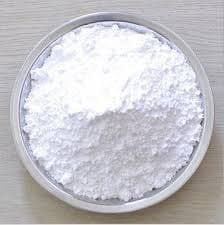
Sodium Monochloroacetate is the sodium salt of chloroacetic acid. It is considered to be hygroscopic and thus must be handled with extreme care. It is a white-colored free-flowing fine powder with a slightly pungent odor. It is readily soluble in water.
Manufacturing Process
Sodium Monochloroacetate is an important industrial product, particularly for use as an intermediate reactant in the synthesis of many pharmaceutical and agrochemical products. Many processes have been developed to prepare sodium monochloroacetate, which are essentially based on the neutralization of monochloroacetic acid with bases such as sodium hydroxide and sodium carbonate. The process involves the neutralizing the molten monochloroacetic acid with concentrated caustic soda (50-55%), sodium carbonate in the form of a suspension or concentrated solution or in the form of a powder in a spray dryer. This process in which sodium carbonate is introduced together with hot air at 100 ℃ while molten monochloroacetic acid is sprayed at 80 ℃. In general, all these processes are carried out either under anhydrous conditions or with rapid removal of water (spray drying), which gives the sodium monochloroacetate in the form of a fine powder having a tendency to agglomerate and thus to flow poorly during pneumatic conveying or decantation.