
Share this product :
Linear Alkylbenzene Sulfonic Acid (90%) - India
- Origin
- : India
- CAS Number
- : 27176-87-0
- HS Code
- : 34021100
Basic Info
- IUPAC Name
- : 4-dodecylbenzenesulfonic acid
- Molecular Formula
- : C18H30O3S
- Molecular Weight (g/mol)
- : 326.5000
- Synonyms & Trade Names
- : LABSA; Linear alkylbenzene sulfonic acid; DDBSA; ABS
- Purity / Assay (%)
- : 90% min
- Grade / Quality Level
- : Technical Grade
- Physical Form
- : Liquid
- Concentration
- : Pure substance
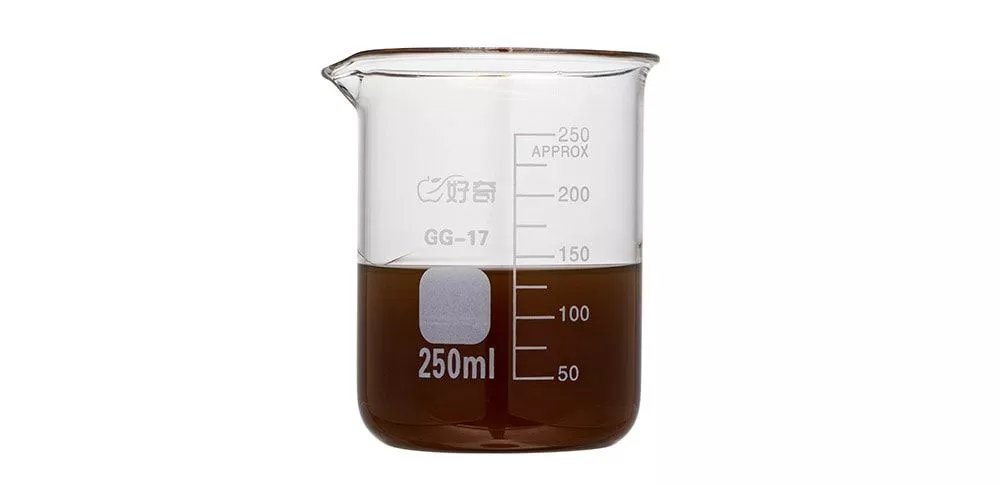
- Appearance / Color
- : Clear to slightly colored liquid
- Odor
- : Characteristic
- Boiling Point (°C)
- : >300
- Density (g/cm³)
- : 1.0600
- Solubility in Water
- : Dispersible in water
- Signal Word
- : Danger
- UN Number
- : 2586
- GHS Hazard Class
- : Skin corrosive; Eye corrosive
- H-Statements
- : H290|H314
- P-Statements
- : P234|P260|P264|P270|P273|P280|P301+P330+P331
- REACH Status
- : Registered
- Drug Precursor Status
- : Non-precursor
- Storage Class (GHS)
- : 8
- Storage Conditions
- : Cool, dry; corrosive; away from bases
Categories
Share this product :
Brief Overview
LABSA 90% is a widely used synthetic surfactant in the production of detergents, emulsifiers, and industrial cleaning products. It is known for its affordability and excellent performance, particularly in cleaning, wetting, foaming, and emulsification. This surfactant is commonly employed in the manufacture of household and industrial cleaning items such as laundry detergents and dishwashing liquids.
Manufacturing Process
The commercial method of manufacturing LABSA is by sulfonating linear alkylbenzene with either oleum (10-25% sulfur trioxide (SO3) in sulfuric acid) or with an SO3-air mixture. The reaction temperature is controlled during the addition of acid and the reaction will go into completion after 30 to 45 minutes. The major product is para-alkylbenzene sulfonic acid. A high temperature and long reaction time would result in an undesirable dark-colored product. Sulphuric acid (H2SO4) is preferred over the use of sulphur trioxide as reaction of pure SO3 is too aggressive as an electrophilic reagent and will form a black char on contact due to its rapid exothermic reaction. Cooling would also be required to prevent the formation of by-products due to the high temperatures. Therefore, H2SO4 and oleum are more commonly used for sulfonation. Sulfonation reaction stops when the concentration of H2SO4 drops to 90%.