
Share this product :
Coconut Diethanolamide
- Origin
- : Malaysia
- CAS Number
- : 120-40-1
- HS Code
- : 2924.12.10
Basic Info
- IUPAC Name
- : N,N-bis(2-hydroxyethyl)dodecanamide
- Molecular Formula
- : C14H29NO2
- Molecular Weight (g/mol)
- : 255.3800
- Synonyms & Trade Names
- : Coconut diethanolamide; Cocamide DEA; CDEA
- Purity / Assay (%)
- : 90% min
- Grade / Quality Level
- : Technical Grade
- Physical Form
- : Liquid
- Concentration
- : Pure substance
- Appearance / Color
- : Clear to slightly colored liquid
- Odor
- : Mild
- Melting Point (°C)
- : 40.0000
- Boiling Point (°C)
- : >250
- Density (g/cm³)
- : 0.9990
- Solubility in Water
- : Dispersible in water
- Signal Word
- : Warning
- GHS Hazard Class
- : Skin irritant; Eye irritant
- H-Statements
- : H315|H319
- P-Statements
- : P264|P280|P305+P351+P338
- REACH Status
- : Registered
- Drug Precursor Status
- : Non-precursor
- Storage Class (GHS)
- : 10
- Storage Conditions
- : Cool, dry place
Categories
Share this product :
Brief Overview
Coconut diethanolamide, also known as cocamide diethanolamine (cocamide DEA), is the common structural basis of many surfactant, often an ingredient found in personal care such as shampoo soap. Coconut diethanolamide contains a hydrophobic hydrocarbon tail and a hydrophilic head, which makes it an excellent surfactant. It is a viscous liquid and is used as a foaming agent in bath products like shampoos and hand soaps, and in cosmetics as an emulsifying agent.
Manufacturing process
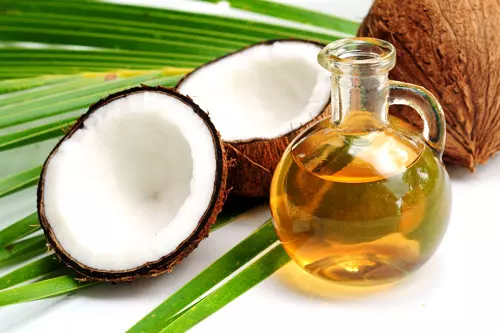
Coconut diethanolamide is a diethanolamide made from the reaction of the mixture of fatty acids from coconut oils with diethanolamine.